The Adjuvant Mistake That's Costing Farmers Every Spray Cycle
The Silicon Super Spreader Mistake Costing Farmers Every Spray
You sprayed exactly as the label said, right dose, right timing. But the pest was back within a week. Sounds familiar?
Most people blame the chemical first. That's the easy answer, but it's rarely the right one.
What's actually missing is the adjuvant, the part of the tank most people skip without thinking twice. Let's look at what that one skip actually costs.
What Happens When You Skip the Adjuvant?
Wax on a leaf isn't decoration. Chilli, cotton, sugarcane, the coating exists for one reason, to keep water off.
A spray without a wetting agent hits that wax and sits there in beads before rolling to the ground, especially from a knapsack sprayer where an uneven walking pace already causes gaps in coverage.
The Real Cost of Skipping It
The problem shows up about a week later. The same pest comes back on the same field, which means spraying all over again, a second bottle of chemical, another full day of labor. All of this to avoid a spray adjuvant for agriculture decision that would have cost a few rupees the first time.
And even after paying twice, the result is usually still weaker than one properly covered spray would have given.
What a Silicon Super Spreader Actually Does?
Surface tension is the actual enemy here. A silicone spreader cuts it down close to zero, so instead of the spray sitting in fat drops, it spreads into a film covering both sides of the leaf.
Organosilicone-based products can also move through the stomata directly, not just the waxy layer on top. That doesn't automatically mean better pest control, the technique behind the spray still matters.
An organosilicone adjuvant solves the spreading problem. It can't fix a spray that's timed wrong or aimed wrong.
Getting the Dose and Timing Right
Most of the damage doesn't come from skipping the adjuvant. It comes from getting the amount wrong.
Agricultural silicone surfactant products usually work somewhere between 0.025% and 0.1% of spray volume, a much smaller margin than most other things going into a tank.
Add too little, and the surfactant never reaches the level it needs to work. The spray looks fine going out, but does nothing extra once it's on the leaf.
Add too much, especially in hot sun, and the same spreading effect works against the crop. The spray thins out so much it runs off the leaf, and the heat on top can damage the tissue it was meant to protect.
A Few Practical Changes Worth Making
A few small habits make the difference between a super spreader agriculture program that works and one that wastes money:
- Measure the dose by percentage instead of guessing with a cap or spoon.
- Do a jar test before mixing into a large tank, especially with high-electrolyte fertilizers.
- Spray early morning or evening, not during peak sun, the same reason most spray rounds in North India wrap up well before the loo picks up in summer.
- Choose the right form for the job. Liquid and powder spreaders don't behave the same way in a tank.
So, Where Does This Fits Into Your Spray Program?
Fenton Chemical's Silicon Super Spreader range is built for exactly this. It includes the FX SP series of liquid grades and FENSIL 360, a powder option for programs that need it.
Dosage numbers come from actual trial work done on the crop and whatever it's being tank-mixed with, not a generic figure printed the same way on every label.
So if a spray keeps underperforming even though the chemical is right, check the adjuvant first. That's usually cheaper than switching brands at the local agri store.
Get the dose right on a silicone adjuvant for agriculture, and it typically costs less than the repeat spray it saves you from.
Common Questions
Is a low dose silicone adjuvant actually enough to work?
Yes, that's how it's designed. These products work at 0.025% to 0.1% of spray volume. Adding more doesn't help, it usually wastes product or damages the crop in heat.
Can a silicone spreader be used with any agrochemical?
In most cases, yes. It works fine with common pesticides, fungicides, and foliar fertilizers. Still, a quick jar test before mixing a full tank is worth doing.
What makes a silicone spreader for agrochemicals different from a regular wetting agent?
Mainly the dose and how strongly it spreads. It works at a much lower concentration and covers leaves that a standard wetting agent struggles with, waxy ones, hairy ones, anything water usually slides off.
More Blogs
View All →
The Farmer's Timing Guide: When OSA Actually Works Best

How to Reduce Foam in Paint: The Hidden Cost of Bad Mixing

Foliar Spray Guide: How to Apply Fenosil OSA for Maximum Uptake

Debunking 5 Common Myths About Silicon Fertilizers in Agriculture

OSA for Rice Cultivation: A Season by Season Application Guide
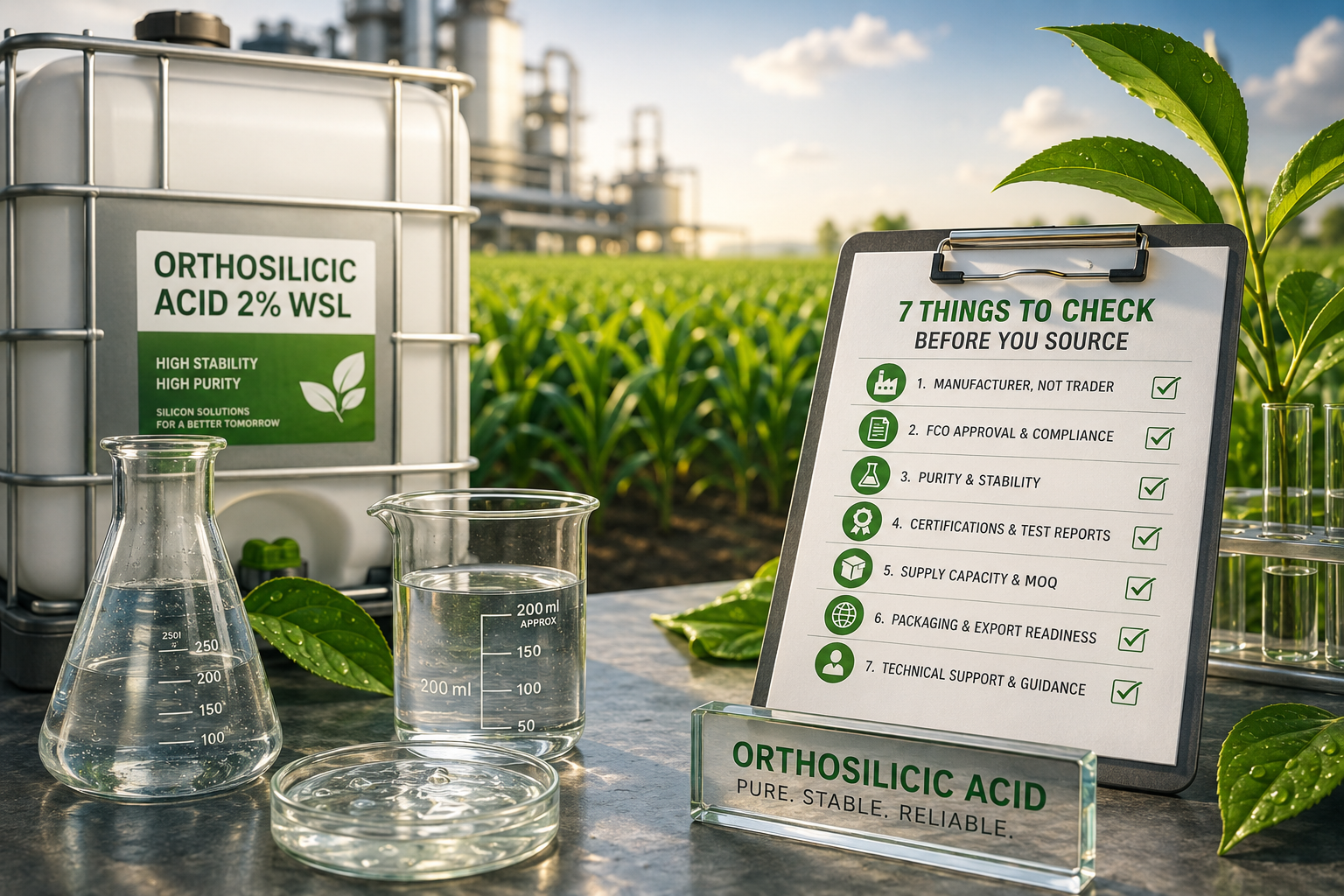
Orthosilicic Acid Manufacturer in India: 7 Things to Check Before You Source
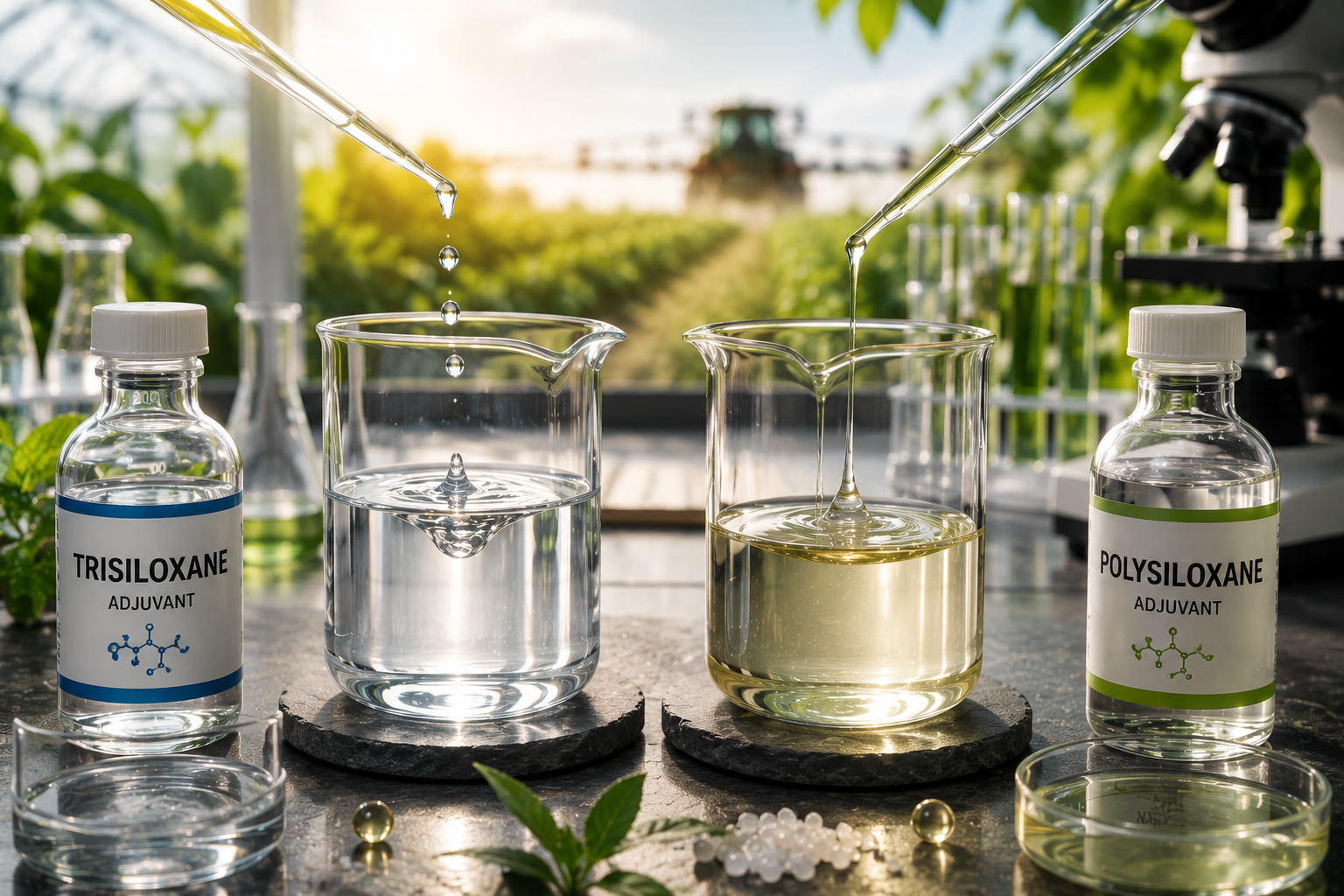
Trisiloxane vs Polysiloxane Adjuvants: Technical Differences Every Formulator Must Know