The Farmer's Timing Guide: When OSA Actually Works Best
Before You Spray: Know Your Crop's Growth Stage
Ask ten farmers when they spray silicon on their crop, and most will say the same thing: whenever there's a free hour between other work.
That one habit probably costs more yield than any dosage mistake ever could.
Orthosilicic acid used in agriculture works inside a pretty narrow window. Miss it, and you might as well have sprayed plain water on the field.
Even the Right Product Needs the Right Time
Everyone reads the dosage line on the label. Almost nobody reads the timing line, and that's usually the one that actually matters.
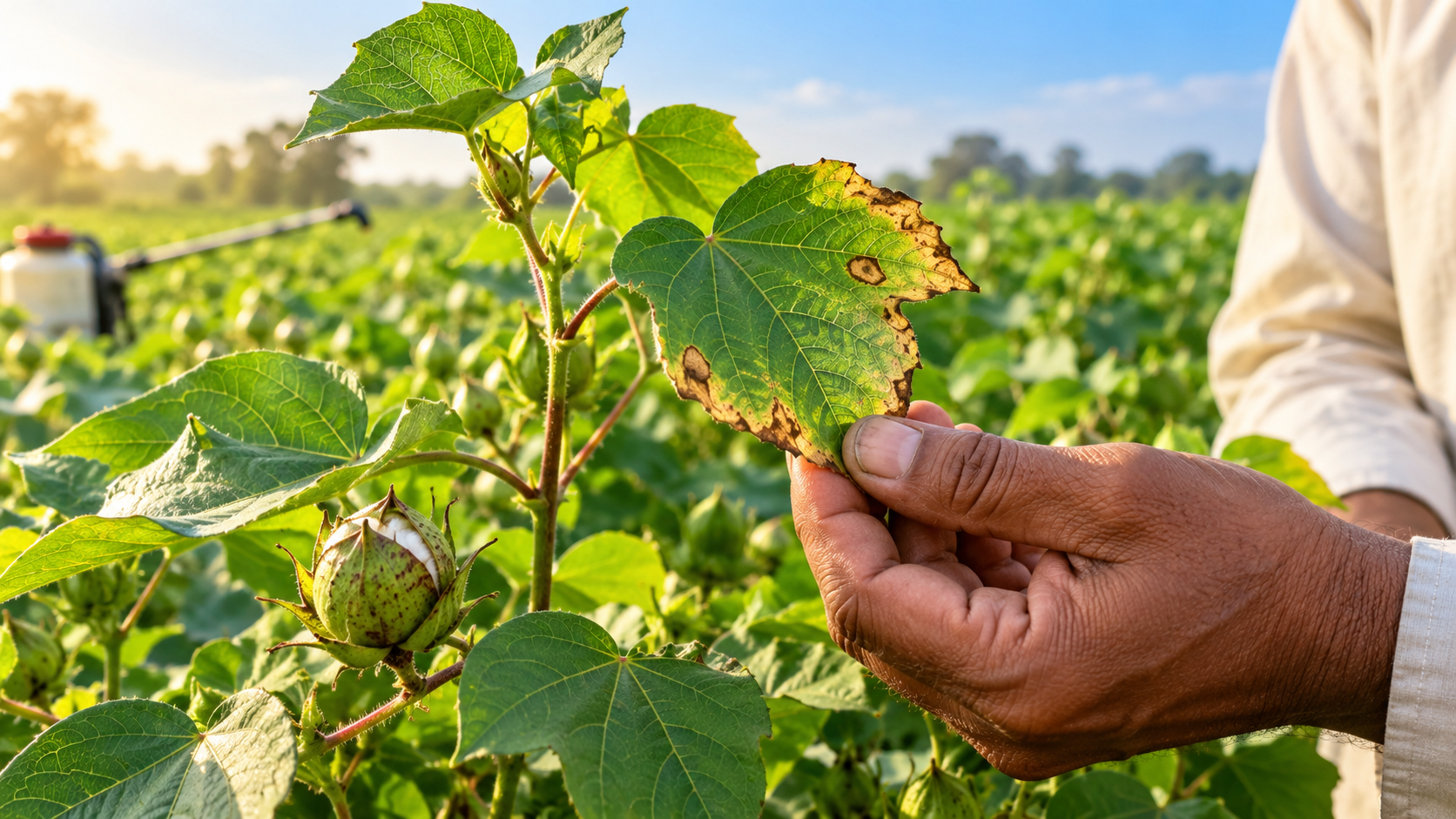
Orthosilicic acid for plants gets absorbed through leaf tissue that's still soft and developing, not tissue that's already hardened off.
Spray a mature leaf and a chunk of that bottle just sits there and dries up, doing nothing.
OSA Only Works at the Right Time
Think of a young leaf like a sponge that hasn't dried out yet, it soaks things in. As the leaf ages, that surface toughens into something closer to a raincoat, built specifically to keep water, and whatever's dissolved in it, on the outside.
That's the real reason a liquid silicon fertilizer can't just get sprayed whenever there's a spare hour. The plant decides the window. The calendar doesn't.
Before You Spray: Know Your Crop's Growth Stage
Spray early. While new leaves are still coming in, or the plant itself is still young, is really the only rule that matters here, and it's the one people skip because a crop that looks fine doesn't feel urgent yet.
Silicon Application in Rice needs more precision than that. Right before or after transplanting is one window, it helps seedlings shake off transplant shock and get roots moving.
There's a second one too, somewhere between tillering and panicle initiation, where the spray goes to work on stem and cell wall strength, exactly what you want if wind or heavy nitrogen use has a crop leaning toward lodging by harvest.
Mango, grapes, and other fruit trees run on a totally different schedule, tied to pruning instead of a growth stage. Right after the cut is when the tree pushes new growth that needs protecting from day one.
Timing really does change by crop, that's the whole point of silicon nutrient for crops programs varying the way they do.
A Simple Timing Chart for Every Crop
Every crop runs on its own clock. Here's how the main orthosilicic acid uses in agriculture break down by timing:
| Crop / Program | Best Timing | Interval | Duration |
| General foliar program | New leaf stage or young plant | 10-14 days | 4-6 weeks |
| Short-duration field crops | Early vegetative growth | — | 2 sprays total |
| Fruit trees (mango, grapes) | Right after pruning | — | 4 sprays |
| Sugarcane | Through the season | 15 days | 6 months |
| Rice | Nursery stage, then tillering | 15 days | 2 months |
How to Know the Timing Worked?
Silicon doesn't announce itself the way a fast-acting fertilizer does, so patience matters here. In the first two to three weeks, look for firmer leaves, a slightly deeper green, and less wilting through the hottest part of the day.
By four to six weeks, the bigger changes show up: better resistance to pests and fungal pressure, sturdier stems, and in fruiting crops, more even size and color. If none of that shows up by then, timing is the first thing worth checking, not the product.
Where Fenton's OSA Fits In
Fenton Chemical's Orthosilicic Acid 2% WSL, sold as Fenosil, is built around this exact schedule.
Used at 1 to 2 ml per litre of water, sprayed on both sides of the leaf, ideally with a wetting agent to stop it beading off waxy surfaces, it follows the same 10 to 14 day interval across 4 to 6 weeks described above, with the same crop-specific adjustments for sugarcane, rice, and fruit trees.
The product only does its job if the timing around it is right, which is really the whole point of this guide.
Common Questions About OSA Timing
- What are the real benefits of orthosilicic acid?
Mostly it comes down to resilience: stronger stems, better tolerance to drought and disease, and fruit that fills out with better size and color. None of that shows up on its own though, the growth stage you spray at decides how much of it you actually get. Our orthosilicic acid benefits page goes deeper into the specifics.
- When should I apply silicon fertilizer?
Early, while the plant is still young or new leaves are just coming in. A lot of farmers wait until the crop already looks stressed, and by then the best window for uptake has usually closed. That timing question is really what when to apply silicon fertilizer comes down to.
- What's the best time of day for OSA foliar spray?
Morning or evening. Midday heat causes the spray to dry on the leaf before the plant can absorb it, the single biggest factor in OSA foliar spray timing.
More Blogs
View All →
OSA for Sugarcane: Delivering Silicon for Stronger Stalks and Better Recovery
Is Your Super Spreader Burning the Crop? Signs of Overdose and Safe Limits

The Silicon Toolkit for Modern Crops: Where OSA and Spreaders Each Fit

Matte, Gloss, Durable: How Additives Shape Paint Performance

The Adjuvant Mistake That's Costing Farmers Every Spray Cycle

How to Reduce Foam in Paint: The Hidden Cost of Bad Mixing

Foliar Spray Guide: How to Apply Fenosil OSA for Maximum Uptake