Silicon Super Spreaders – Revolutionizing Agrochemical Efficiency
How Silicone Spreaders Influence Agricultural Spray Performance
Traditional pesticides and fertilizers often fail to spread evenly on plant surfaces, leading to wastage and poor absorption. Waxy, hairy or upright leaves cause spray droplets to bead up, bounce off or roll away, so a large share of every tank mix never reaches its target. This is where Silicon Super Spreaders come in—they enhance the distribution, penetration, and adhesion of agrochemicals, improving efficiency while reducing input costs. Also known as silicone super spreaders or silicon-based spreader adjuvants, they are among the most widely used spray additives in modern crop protection.
In this guide you will learn what a silicon super spreader is, how it works, the difference between silicon and silicone, and where it is used in agriculture, from pesticide and herbicide sprays to foliar fertilizers.
What Is an Adjuvant? (Adjuvant Meaning in Agriculture)
In agriculture, an adjuvant is any substance added to a spray tank to improve how a pesticide, herbicide or fertilizer performs. Adjuvants do not control pests themselves. They help the active ingredient wet the leaf, spread, stick, resist rain and get absorbed. Spreaders, wetting agents, stickers and penetrants are all adjuvants, and a silicon super spreader is the high-performance end of that family. For a side-by-side comparison, read our guide on wetter, spreader and sticker differences.
What are Silicon Super Spreaders?
Silicon-based surfactants reduce surface tension, allowing pesticides, fungicides, and fertilizers to spread uniformly over leaves. Chemically, most are organosilicone (often trisiloxane-based) non-ionic surfactants. They can flatten a droplet into a thin film across the leaf, which is why they are called “super” spreaders compared with conventional surfactants.
| Quick facts | Silicon super spreader |
| Also called | Silicone super spreader, silicon spreader, organosilicone spreader, super spreader adjuvant |
| Type | Non-ionic, silicon-based surfactant (spray adjuvant) |
| Main job | Lower surface tension so spray spreads, wets and penetrates |
| Used with | Insecticides, fungicides, herbicides and foliar fertilizers |
| Applied | As a tank-mix additive, always at the label-recommended dose |
- Better coverage – droplets spread into a thin film instead of beading up on the leaf
- Deeper penetration into plant tissues – helps actives move through the leaf surface, including stomatal openings
- Reduced agrochemical runoff – less spray rolls off the leaf and onto the soil
- Less wastage – more of the active ingredient reaches the target, supporting lower input costs per acre
Silicon vs Silicone: What’s the Difference?
Silicon is a natural element (Si) found in soil and plants. Silicone refers to man-made silicon–oxygen polymers (siloxanes). A spray adjuvant sold as a “silicon super spreader” is normally a silicone (organosilicone) surfactant, and farmers search for both spellings. Do not confuse it with a silicon fertilizer: a spreader improves how a spray behaves, while a source such as orthosilicic acid supplies plant-available silicon. The two are often used together. See where OSA and spreaders each fit.
How Do They Work?
- Lower Surface Tension: Forms a thin, even layer over plant leaves. A lower contact angle means droplets flatten and wet the leaf rather than beading up.
- Improved Absorption: Helps nutrients and pesticides penetrate plant cells. Better wetting increases contact with the leaf surface and stomata, which supports uptake of systemic pesticides and foliar nutrients.
- Rainfastness: Sticks better to leaves, reducing loss due to rain or irrigation. This matters most in monsoon sprays and fields with sprinkler irrigation.
Tip: Always run a jar test before tank-mixing, and follow the product label for dose. Overdosing a spreader can scorch leaves.
Applications in Agriculture
- Pesticide Efficiency: Ensures even distribution of insecticides. Fungicide and insecticide sprays reach leaf undersides and dense canopies, making a silicon super spreader for pesticides a practical way to cut missed spots.
- Foliar Fertilizers: Improves nutrient uptake through leaves. Works with micronutrient and silicon-based foliar sprays.
- Herbicide Performance: Prevents patchy weed control. More uniform wetting helps on weeds with waxy leaf surfaces.
- Crop-wise use: helpful wherever leaf surface limits coverage, for example rice, sugarcane, cotton, vegetables and fruit crops.
Silicon Super Spreader Uses in Agriculture: Crop-wise Guide
| Crop / leaf type | Spray challenge | How a spreader helps |
| Waxy leaves (onion, cabbage) | Water beads and rolls off | Wets the waxy surface and spreads the droplet |
| Hairy leaves (cotton) | Droplets sit on hairs, not the leaf | Helps spray reach the leaf surface |
| Upright narrow leaves (rice, wheat) | Spray runs down and off | Improves retention and coverage |
| Fruit and vegetable canopies | Dense foliage, hidden pests | Better spread into the canopy and leaf undersides |
Frequently Asked Questions
What are the uses of a silicone spreader in agriculture?
It improves coverage, penetration and rainfastness of insecticides, fungicides, herbicides and foliar fertilizers, so less product is wasted.
Is a silicon spreader the same as a silicon fertilizer?
No. A spreader is an adjuvant that helps sprays work better. A silicon fertilizer supplies silicon to the plant.
Can I mix a super spreader with any pesticide?
Most are tank-mixed, but compatibility varies. Do a jar test and follow the label.
Conclusion
Silicon Super Spreaders are a game-changer for modern farming. They reduce costs, increase efficiency, and minimize environmental impact by ensuring every drop of agrochemical is fully utilized. Whether you call it a silicon spreader, silicone super spreader or super spreader adjuvant, the aim is the same: better spray coverage with less waste.
Looking for a silicon super spreader for your spray programme? Contact the Fenton Chemical team for specifications, samples and bulk enquiries.
Related Reading
More Blogs
View All →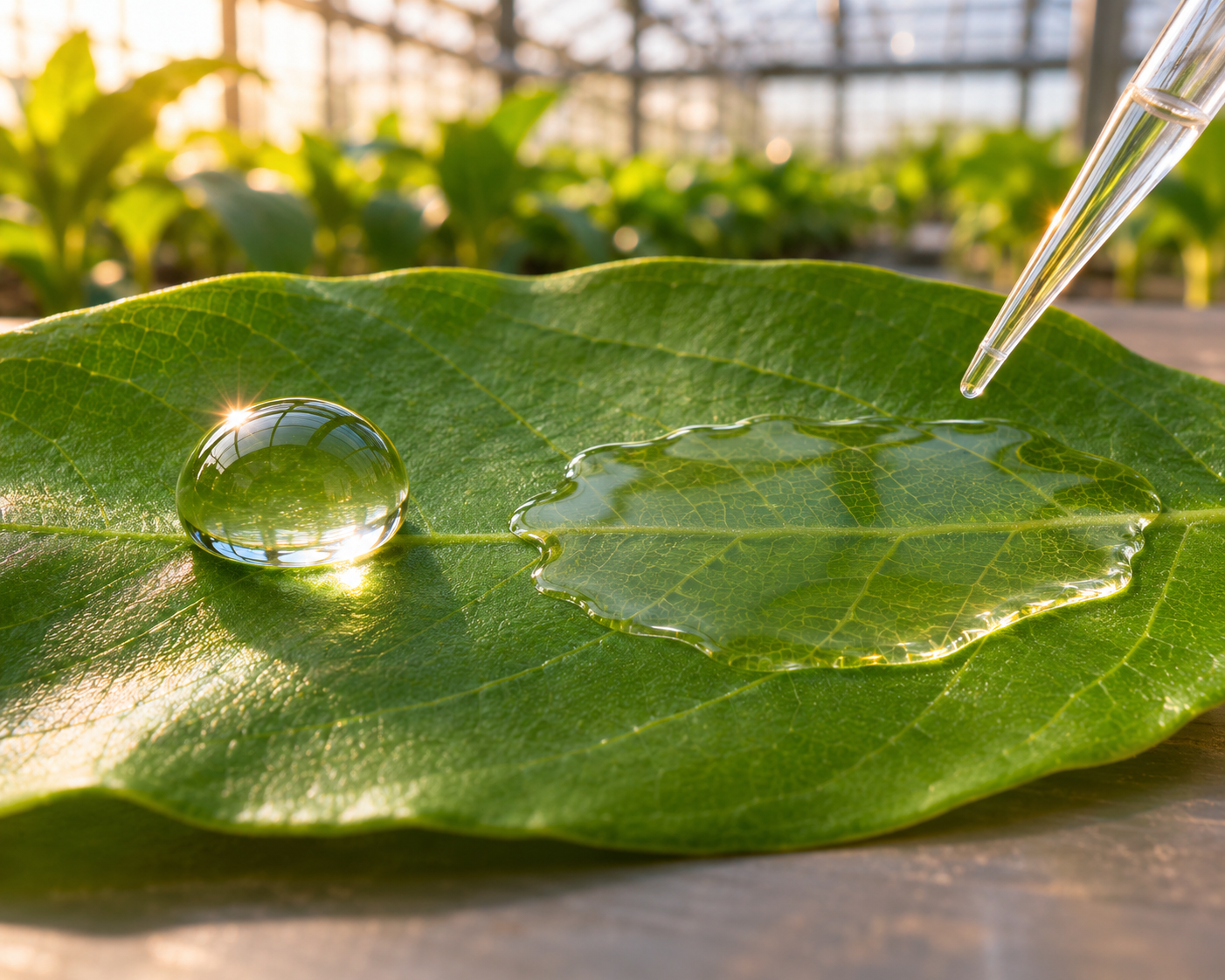
Is Your Super Spreader Fake? A Simple 30 Second Lab Test to Check Quality
OSA for Sugarcane: Delivering Silicon for Stronger Stalks and Better Recovery
Is Your Super Spreader Burning the Crop? Signs of Overdose and Safe Limits

The Silicon Toolkit for Modern Crops: Where OSA and Spreaders Each Fit

Matte, Gloss, Durable: How Additives Shape Paint Performance
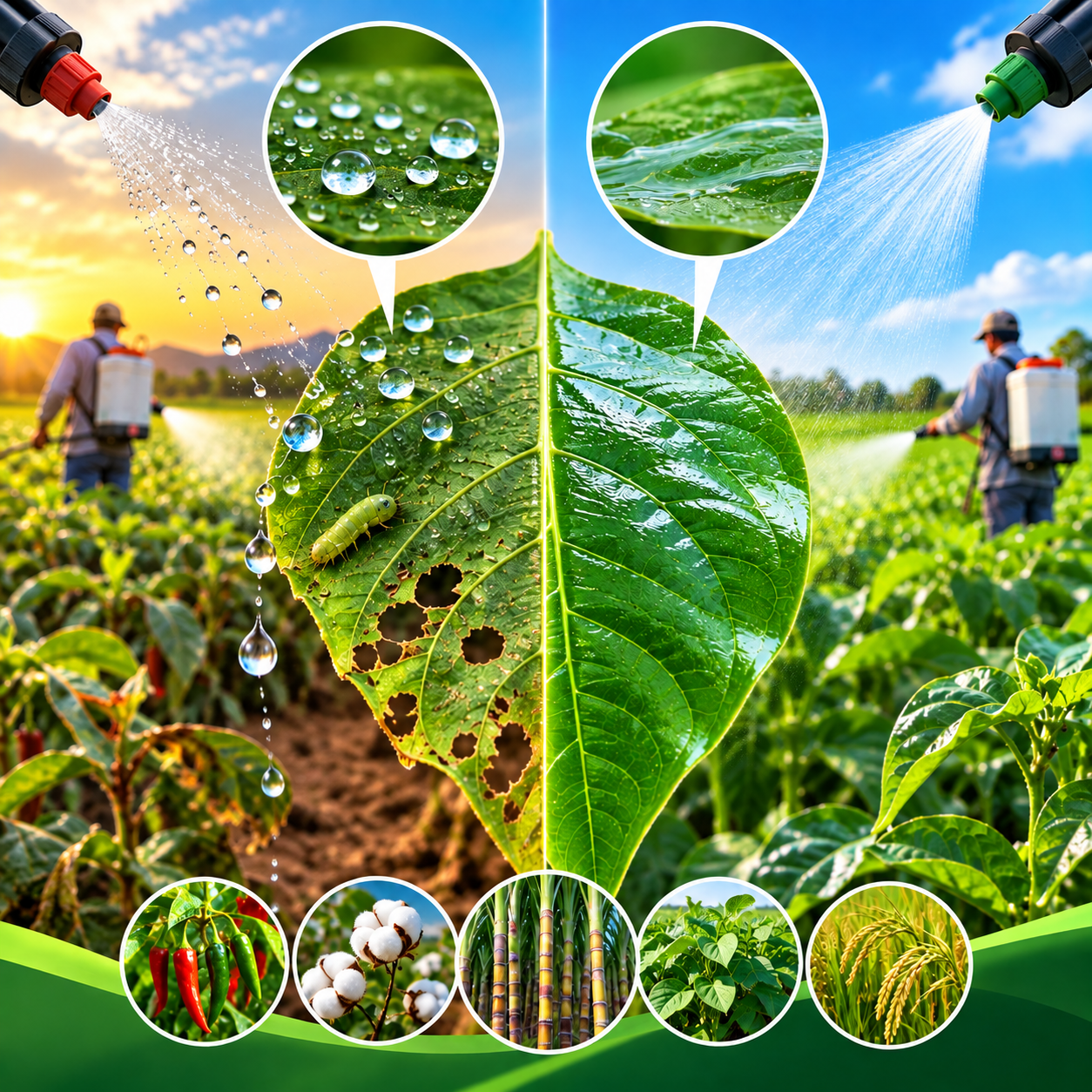
The Adjuvant Mistake That's Costing Farmers Every Spray Cycle

The Farmer's Timing Guide: When OSA Actually Works Best